AI in construction workflows: how it is reshaping construction delivery
15/01/2026
Artificial intelligence has moved fast from novelty to normal practice. Across the construction industry, many teams now use AI for generic tasks such as drafting emails, summarising documents, generating concepts, or speeding up administration. These uses save time, but they deliver only incremental gains.
A more important shift is now underway. A smaller group of construction and interiors firms are embedding AI directly into their delivery workflows. They are not just working faster. They are working differently — and gaining a clear advantage over competitors who still treat AI as a side tool rather than part of how work gets done.
From AI assistance to delivery infrastructure
Generic AI improves individual productivity. Workflow-integrated AI improves organisational performance. That distinction matters.
Construction projects operate under tight programmes, layered consultant teams, and constant information exchange. In this environment, competitive advantage comes from how quickly teams identify issues, resolve them, and document decisions. Price and scale matter, but speed and certainty now matter more.
When teams embed AI into core workflows, it becomes delivery infrastructure. It supports decision-making, reduces friction, and improves consistency across projects. This shift is most visible in three areas: RFI resolution, inspections, and documentation management.
AI-driven RFI resolution: faster and more consistent
Requests for Information create friction on most construction projects. They slow progress, fragment accountability, and force teams to search across drawings, specifications, and past correspondence.
Firms using AI in RFI workflows change this dynamic. AI helps teams interpret incoming RFIs quickly, cross-check them against project documentation, and surface relevant design intent or precedent. This reduces response times and improves consistency.
The real benefit goes beyond speed. AI reduces pressure on senior technical staff, lowers the risk of missed dependencies, and creates clearer audit trails. In deadline-driven construction environments, these gains translate directly into programme certainty.
Construction inspections: from manual reporting to real-time insight
Traditional inspection processes rely on manual capture and delayed reporting. Teams collect data onsite, transcribe it later, and review it after issues already exist.
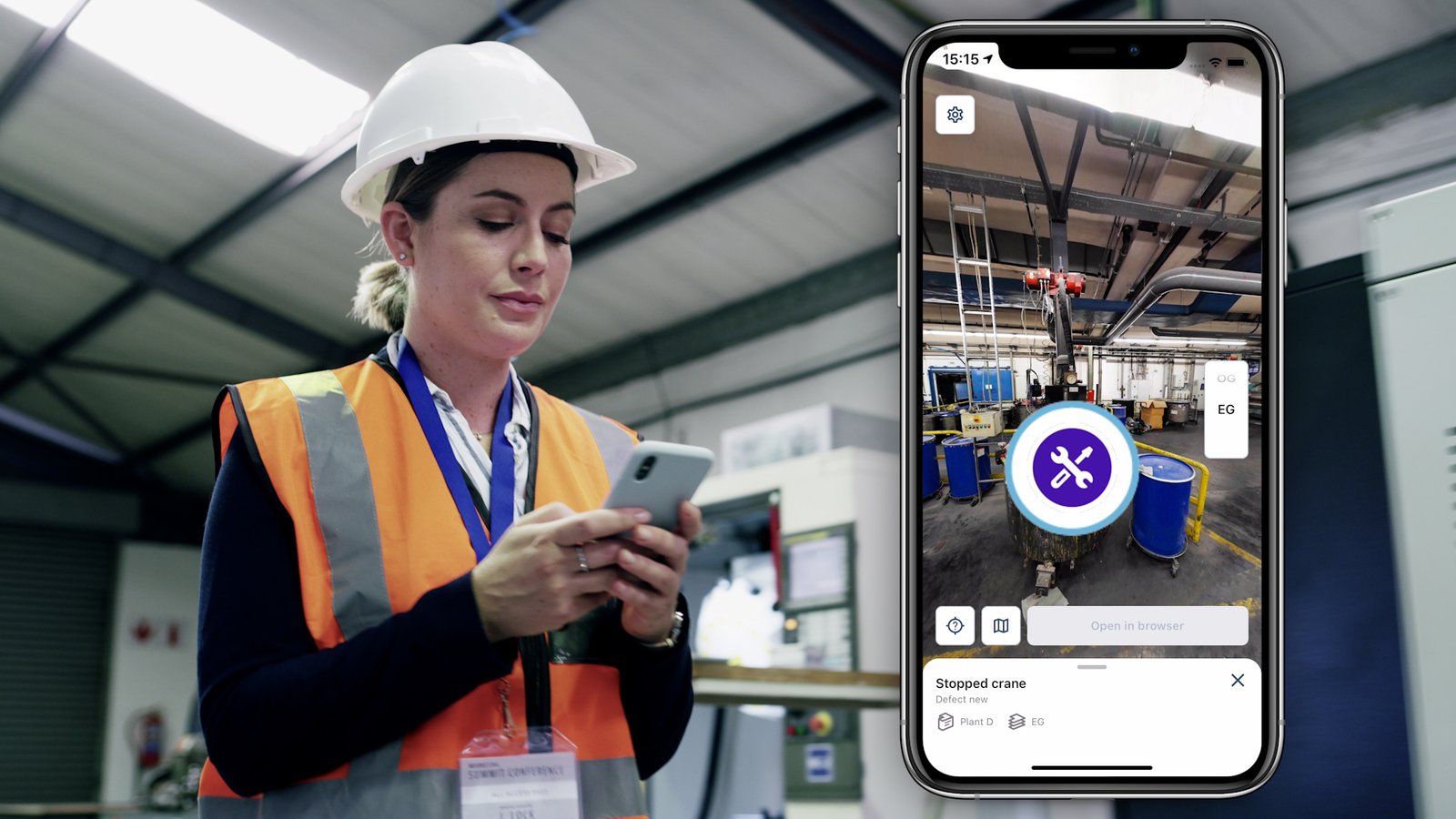
AI-enabled inspection tools reverse this process. Image recognition, structured checklists, and automated issue tagging help teams identify defects, non-conformances, and incomplete work earlier. Systems generate inspection reports in near real time, with clearer categorisation and fewer subjective gaps.
This creates a quiet but powerful advantage. Projects require fewer re-inspections, teams act earlier on issues, and site conditions align more closely with documentation. Over time, this reduces rework and strengthens delivery confidence.
Documentation and summarisation at scale
Construction generates large volumes of documentation, including drawings, specifications, reports, variations, correspondence, and compliance records. Access is rarely the issue. Interpretation is.
AI-driven document summarisation tools now extract key risks, obligations, and decisions from large document sets. Instead of senior staff spending hours reviewing material, AI highlights what matters most. This allows professionals to focus on judgment rather than information retrieval.
For firms managing multiple projects at once, this creates a structural advantage. Knowledge no longer sits in individual inboxes. Teams can access it consistently and apply it repeatedly across projects.
Why AI workflows matter in a tightening construction market
As construction markets tighten through labour shortages, fixed deadlines, and stricter compliance, marginal gains matter less than system-level improvements. Firms that embed AI into workflows become more predictable. They make fewer errors, respond more consistently, and scale expertise across projects.
This matters most in interiors and specialist construction. Late changes, coordination gaps, and documentation errors carry higher risk in these trades. AI helps teams reduce those risks before they reach site.
How Brevity applies AI in delivery workflows
At Brevity Interiors , we use AI as part of delivery, not as a marketing tool or experiment. We apply it deliberately across workflows to support faster technical resolution, clearer documentation, and stronger decision-making.
By using AI for RFI analysis, inspection reporting, and document summarisation, we reduce friction for clients working in compressed and compliance-heavy environments. The goal is not automation for its own sake. The goal is certainty — fewer delays, clearer communication, and more resilient project delivery.
The divide is now in execution
The construction industry is moving into a phase where AI adoption alone no longer differentiates firms. Most teams will use AI in some form. Fewer will integrate it meaningfully into how they deliver work.
Those who do will absorb complexity more easily, manage risk more effectively, and perform under pressure. Others may still compete on price or reputation, but they will do so with less efficiency and less certainty.
As with most structural shifts, advantage belongs to those who move early — not because the technology is new, but because workflows are changing.
Connect with Brevity!
We know you're busy so let's get straight to it — How can we help you today?