

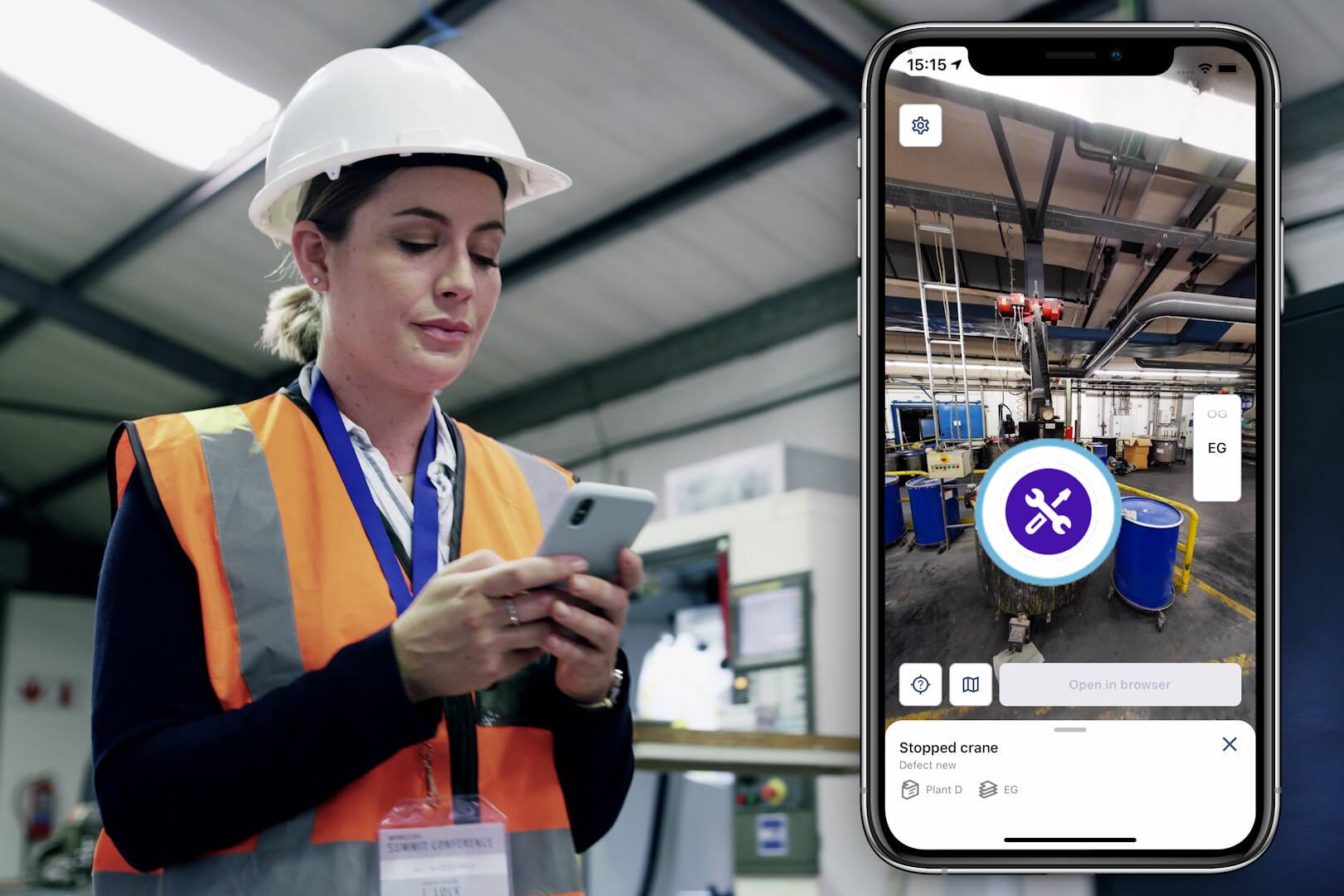
AI in construction workflows: how it is reshaping construction delivery
AI in construction is shifting from generic productivity to embedded workflows. Firms using AI in delivery now gain speed, consistency, and certainty.

Construction Standards Compliance: Why Clarity Is Now a Competitive Advantage
As construction standards evolve, clarity in compliance is becoming a competitive advantage. Firms that interpret and apply standards correctly move faster and reduce risk.

Brisbane 2032 Olympics Construction and the Shift Reshaping Interiors Delivery
The Brisbane 2032 Olympics is reshaping the construction industry by compressing timelines, intensifying compliance, and redefining how interiors and specialist contractors deliver certainty in a deadline-driven market.
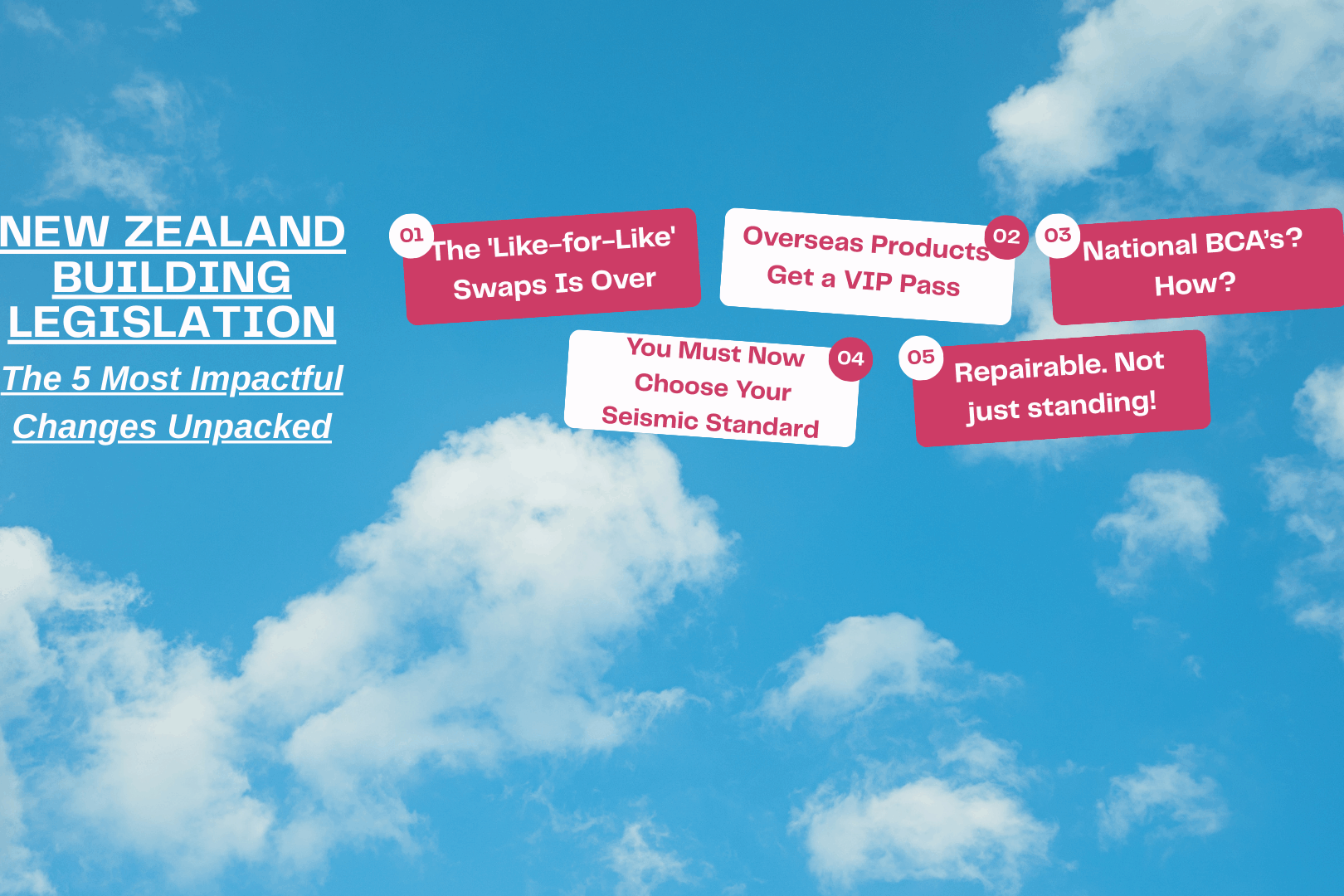
The Ground is Shifting: 5 Key Changes to NZ Building Law You Need to Know
KEY TOPICS COVERED:
Standards in Flux: The tricky situation with the wind actions standard AS/NZS 1170.2, where the cited 2011 version is superseded but the 2021 version isn't yet cited.
Incremental Engineering Improvements:
ER95: A new code of practice for the seismic performance of non-structural elements and its practical take on C1/C2 anchor requirements.
Low Damage Seismic Design: How new guidelines will factor repairability and cost into designs, likely creating demand for new interior construction methods.
TS 1170.5: The new technical specification updating seismic loads based on the revised National Seismic Hazard Map.
Politically Driven Changes:
Earthquake Prone Buildings (EPB) Act: The significant rollback and what it means for the vast majority of buildings on the EPB list.
Overseas Building Products: A deep dive into the three-part amendment, including deemed-to-comply pathways for certified overseas products.
Building Minor Variations: A crucial change from "like-for-like product" to "like-for-like performance," and its impact on product substitutions and PS1 requirements.
BCA Liability: The shift from 'joint and severable' to 'proportionate liability' for councils and what it could mean for insurance and risk.
The New BCA Landscape: How private BCAs and nationwide tendering for consent work are making councils more competitive and commercially focused.
Whether you're an architect, engineer, contractor, or supplier, this presentation will help you stay ahead of the curve, identify opportunities, and mitigate risks in a rapidly evolving industry.

Fall Arrest Systems: How Fall Protection Compliance Differs Between Australia and New Zealand
While both Australia and New Zealand adhere to similar fall protection standards, their approaches to enforcement and certification differ significantly. In New Zealand, independent third-party certification is a standard requirement, ensuring systems are verified from design (PS1) to final inspection (PS4). In contrast, Australia often relies on manufacturers' guidelines without the same level of oversight. This article explores why New Zealand takes a more rigorous approach to fall arrest compliance, the risks of minimal certification, and why elevating Australian practices could reduce liability and improve safety outcomes across the industry.
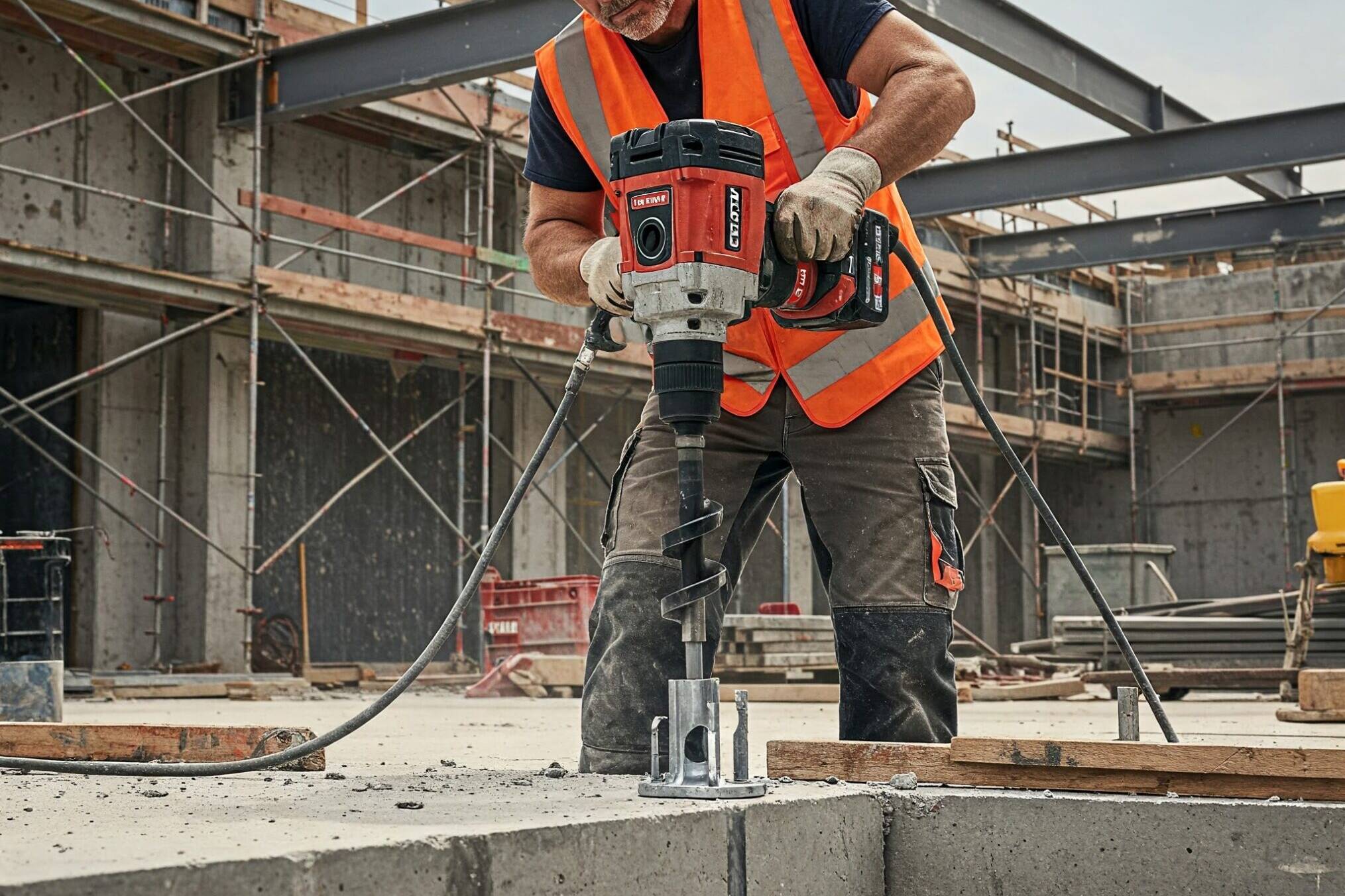
Rethinking Seismic Anchors: A Smarter Approach for Interiors Engineering
Explore how Brevity is leading a smarter approach to seismic anchors in interiors engineering—balancing compliance, cost-efficiency, and resilience through ER95 and targeted design.

Navigating Interiors Engineering Challenges in New Zealand’s Education Sector: Key Considerations for Architects
Designing interiors for educational facilities in New Zealand requires a precise balance between safety, functionality, and compliance with Ministry of Education (MoE) regulations. From seismic resilience and fire safety to acoustic performance and durability, each element must be meticulously planned to create learning environments that are both adaptable and resilient. Missteps in detailing seismic gaps, ceiling systems, or service coordination can lead to costly rework and non-compliance. At Brevity, we simplify this complexity, guiding clients through a structured approach that ensures educational spaces are safe, efficient, and future-proof.

Building a Custom SketchUp Extension in Four Days: Lessons Learned
Mastering AI-assisted development unlocks the potential to rapidly create complex tools, like a custom SketchUp extension, while redefining the boundaries of software development for technical professionals.

A Unified Step Forward: Strengthening Seismic Resilience in Building Design
Two key documents, the AWCI Code of Practice for Suspended Ceilings and the BIP Code of Practice for the Seismic Performance of Non-Structural Elements, have set a new benchmark for seismic resilience in building design. The AWCI CoP focuses on practical, updated guidance for suspended ceilings, integrating innovations like hybrid "fixed and floating" systems and expanded suspension options, while the BIP NSE CoP takes a holistic approach, addressing all non-structural elements and introducing concepts like Damage Control Limit State (DCLS). Together, these codes provide the clarity and tools needed to enhance safety, reduce costs, and build a more resilient industry.

How to handle seismic rating for existing fit-out and building code compliance for new fit-out
Managing seismic safety in building projects can be complex, especially when dealing with both new and existing fit-outs. Project managers need to understand the distinction between seismic ratings for existing buildings and seismic design requirements under the New Zealand Building Code (NZBC) for new works. This guide helps navigate these complexities, ensuring compliance while balancing client expectations and maintaining seismic integrity.
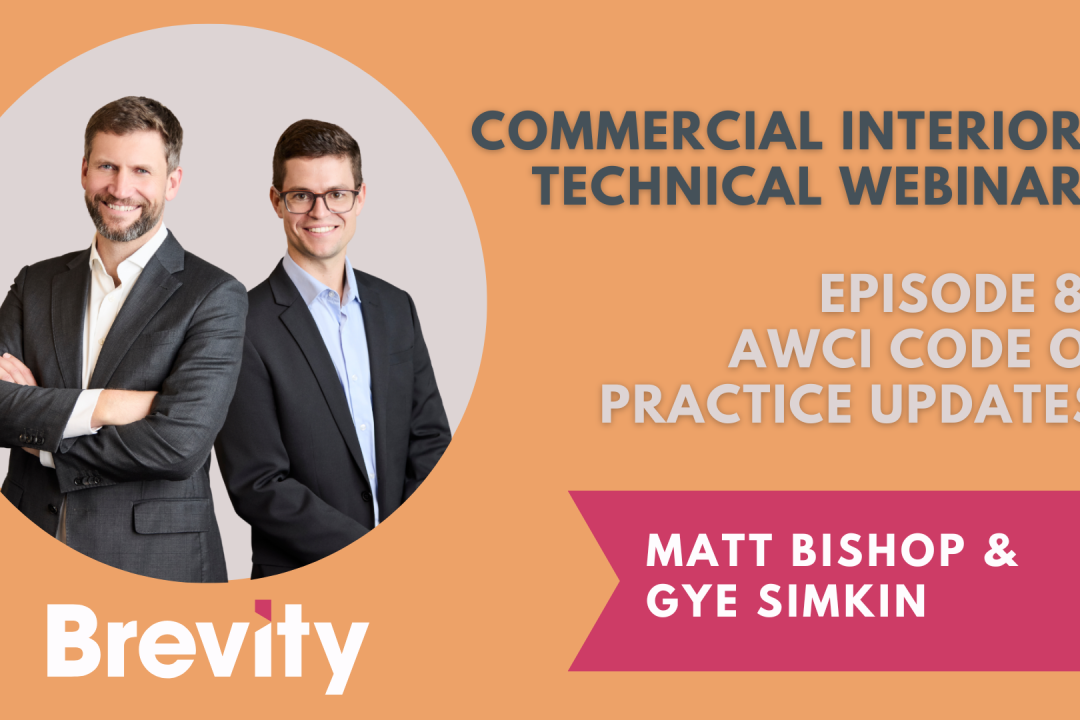
Understanding the 2024 Updates to the AWCI Code of Practice for Suspended Ceilings
What are the key updates to the 2024 AWCI Code of Practice for suspended ceilings? As discussed by Matt Bishop and Gye Simkin in a recent webinar, learn about the new design process flowchart, fixed sheet materials, and how project importance levels affect ceiling design. These updates aim to streamline contractor and engineer collaboration, improving safety and efficiency in commercial interiors.

Hardness Testing: A Best Practice for Outsourcing Steel Production
When outsourcing steel production overseas, ensuring material quality can be a challenge, and relying on mill certificates alone might not be enough. Hardness testing offers a simple, cost-effective way to verify steel strength. Using tools like the Leeb hardness tester allows suppliers to perform quick checks and flag potential issues before moving forward. While hardness is a strong indicator of tensile strength, it's best viewed as a "gateway" test. If results don't align with the supplier's claims, it's a signal that more thorough testing is needed to ensure safety and quality.
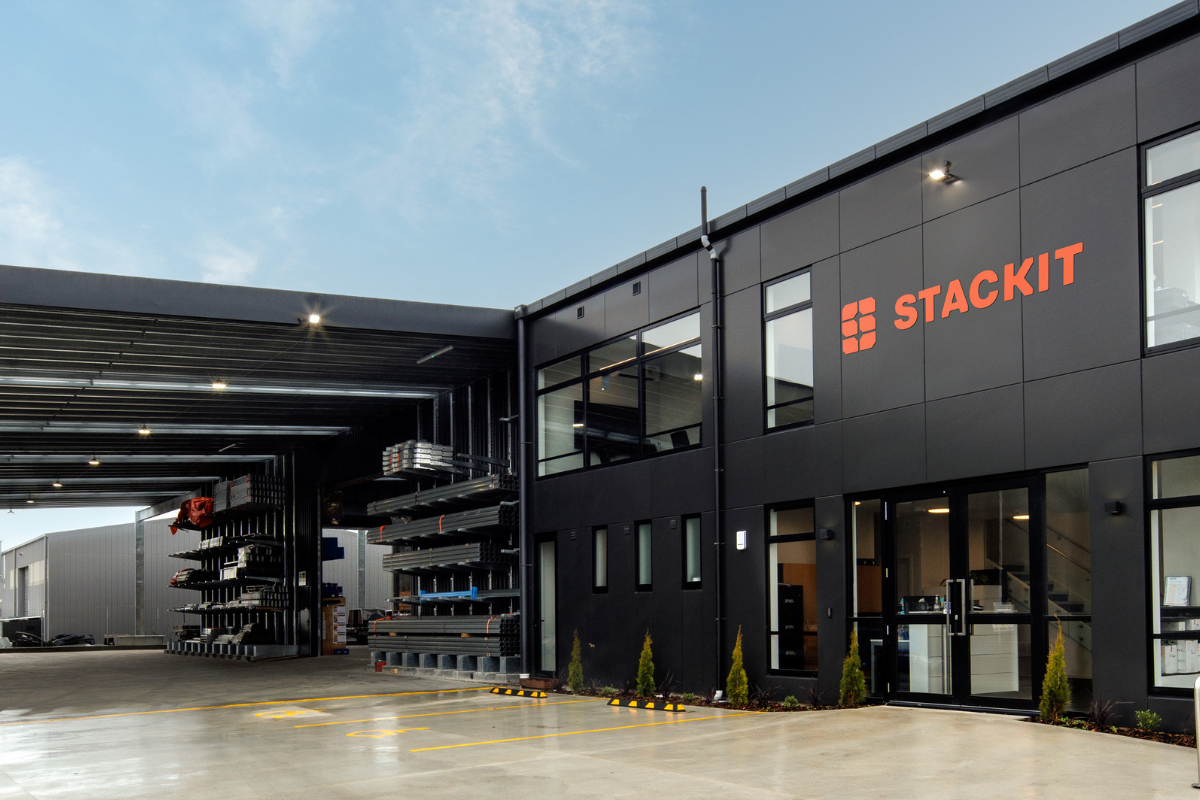
RACKING AND SHELVING: CHALLENGES AND OPPORTUNITIES IN THE NZ ENVIRONMENT
Brevity has been a key partner to STACKIT for many years, united by a shared passion for engineering, ingenuity, and innovation for racking and shelving.
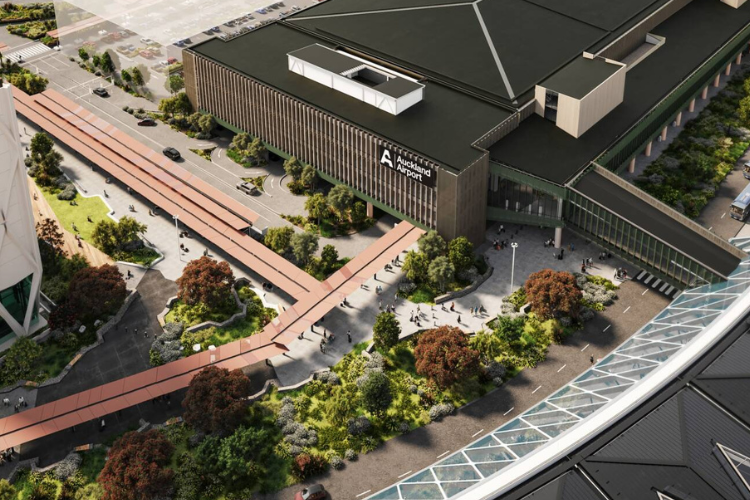
AUCKLAND INTERNATIONAL AIRPORT TRANSPORT HUB
Brevity was engaged by TSA Management to provide a wide array of non-structural seismic design throughout the Airport Transport Hub structure.

BREVITY TECHNICAL SERIES: A LIBRARY OF CONSTRUCTION BASED WEBINARS
The following webinars cover topics from seismic restraint compliance, updates to industry standards and new ways of working.