Seismic Design Considerations for Critical Infrastructure: Airports, Hospitals & Prisons
01/01/1970
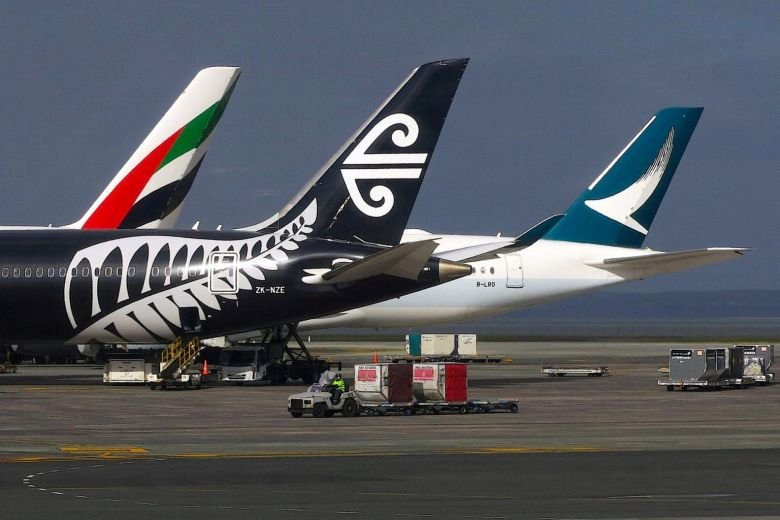
Over the past 5 years, our team at BVT have worked on the seismic design of the majority of airport redevelopments in New Zealand including Auckland, Christchurch and Wellington, plus a plethora of regional airports. We’ve also developed solutions for state-of-the-art hospitals and maximum security prisons, also known as critical infrastructure. Evaluating and implementing practical solutions for critical infrastructure requires a different approach, not only towards seismic design, but in relation to the unique logistical, operational and public safety requirements. We have drawn on our experience and pulled together our top five key factors that must be considered prior to commencing these projects: You are operating within a complex, highly regulated and legislative environment: Critical emergency infrastructure builds are ‘Gold Standard’ projects, and with that, comes the interface of increased legislation. These environments are highly monitored and secure, with a multitude of laws coming into play. So why all the legislation? In the case of airports, it’s not just about mass transit, there are health and security legislations, privacy law, not to mention a variety of stakeholders from citizens, through to private investors. Airports are no longer just places where you go to catch a plane, retail and consumer experience comes into play too and this should influence what materials are allocated to the build. For example, airport-wide, high speed and unlimited wireless requires compatible materials to be used in walls and ceilings so as not to interfere with the connection. Our engineers look at projects holistically and design for these requirements, whilst ensuring compliance and minimal disruption to the public. This is certainly what differentiates us at BVT. Security and logistics create a new set of challenges: It’s important to note that security measures don’t relax just because there is construction on site. This can present a series of both operational and logistical challenges, particularly in the build phase of the project where limited personal items and work materials are permitted on site. Security access procedures plus on-site material restrictions require secure, bespoke materials and design details which must be considered at the offset of a project. It’s business as usual - 9 times out of 10: Unlike new developments, most critical infrastructure buildings are required to remain fully functional even during construction. Therefore, public safety is paramount and will have a huge impact on the way in which the project is planned and executed. In airport redevelopments, where a lack of operational space typically requires tightly staged schedules between contractors, insufficient planning can have significant flow on effects and possibly even affect both staff and passenger experience. It’s important to remember that it’s not just construction that needs to be considered, but the people who are required to operate around it too. Off-the-shelf solutions for complex architectural features are very rarely available: Put simply, off-the-shelf products won’t typically apply to these project types. You will require custom, engineered design every time. All critical infrastructure projects demand higher design loads to ensure public safety and the continued operation of critical emergency services. This can present significant challenges, particularly for redevelopments where the superstructure is already loaded with services or the building is classified as heritage and fixing seismic elements to the existing structure is strictly forbidden. In addition to this, airport designs often combine architectural features that are significant and complex. Generally speaking, there are a number of extremely large plenum void spaces with significant service clashes. Not to mention signage, screens and advertisement panelling throughout that need to be taken into consideration. The coordination of all non structural building elements is key to eliminating risk and meeting construction deadlines: The need for coordinating building elements is mainly due to limitations of space for existing services in the buildings. The presence of old components often results in limited space to support new elements. Therefore bracing solutions may have to account for multiple elements in one, which is where coordination is required. At BVT, we offer an integrated approach to fire, acoustic and seismic engineering that we call interior engineering. 95% of projects are D&C (design and construct) so the ability to provide a holistic solution and ease of access and liaison for project managers and contractors is a hugely beneficial when working on a large scale projects like critical infrastructure. ------------------------------------------------------------------------------------- If you have any further questions about critical infrastructure projects, or would like to discuss an existing project with our engineers, we welcome you to get in touch with us below.
Name
*
First Name
Last Name
*
Message
*
Thank you!
We know you're busy so let's get straight to it — How can we help you today?