The Power of a Good Apology
01/01/1970
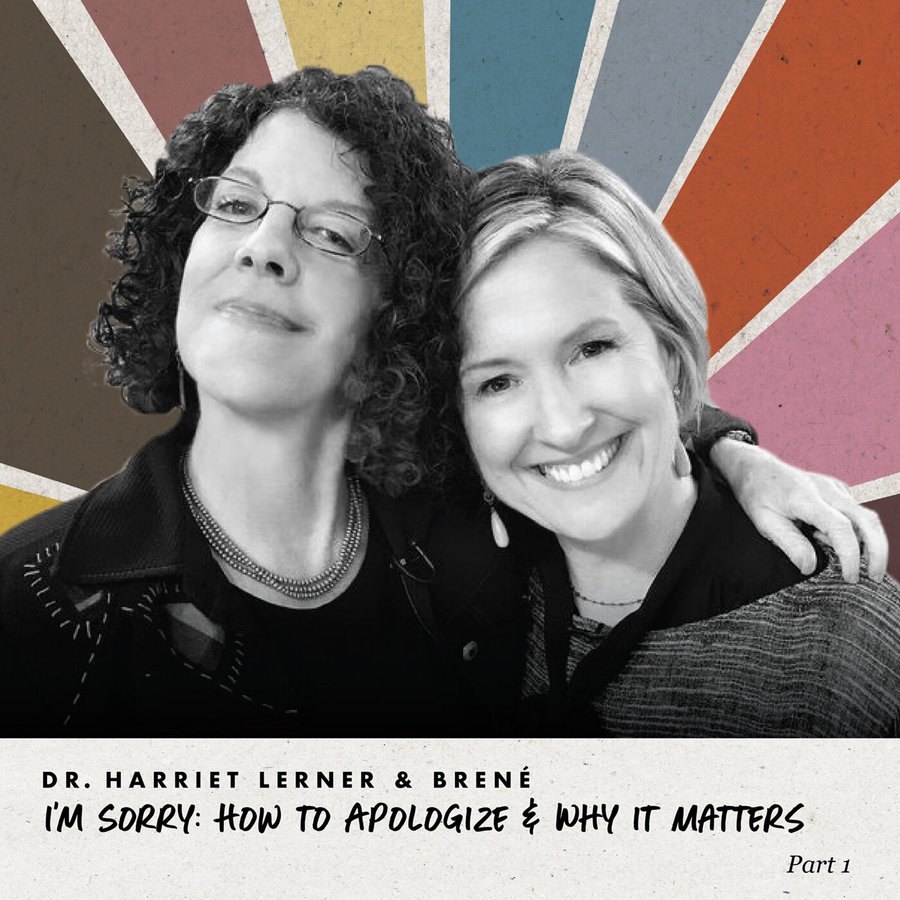
As you know, I am a bit of a fan girl of Professor Brené Brown , who has spent 2 decades studying courage, vulnerability, shame, and empathy. Her work is just FASCINATING and every time I listen to a Brené Brown podcast I come away feeling like I’ve learnt so much. In her latest podcast , Brené teams up with Harriet Lerner and they talk apologies. And wow, it’s good! I can totally get my geek on listening to this because there’s so much really powerful research on apologies and everything that sits behind them. One of the points that jumped out for me was the power of listening, it’s incredibly powerful to listen without judgement, avoiding a defensive mindset. You know those times someone says something that just grates on your nerves (“You're so busy working all the time, you must need some help with your children”) and you find yourself actively listening for points to disagree with. It’s a bit of a knee jerk reaction, but it stops us listening properly and blocks us off from receiving information. Maybe I was about to get a tip for an awesome nanny, but my hackles were up and I was never going to hear it! It’s not easy, but there is real power in being able to ask “am I present in this conversation?” Our mindset, whether it is defensive or open, totally changes the way we send and receive information. So we really need to look at our frame of reference and how we’re thinking about things. And of course, being Brené there were some funny bits in the podcast. She says, “I want to apologise and tell the other person they are a dickhead”. Then she laughs and says “You can call someone a dickhead, but just not in the apology. The apology needs to be just that, an apology, full stop. No buts, no allocating blame and not using an apology as a way of silencing the other person. The apology is a gift to the other person, it allows them to move on, it’s also an investment in your relationship. Getting it right is so powerful. The same lessons are as powerful in business as they are at home. When interacting with others, genuinely think about how you are going to collaborate. If you start getting into a blame game the barriers will go up and communication will be shut down. Again, listening without judgment means you can really hear what the other person is saying. We need to think how we can help people and understand why they may be acting or responding in a certain way, particularly post Covid. For example a key client may be struggling to pay their account, but are too ashamed to ask for help. It’s not helpful to resort to contractual obligations and be inflexible. Rather, if we accept circumstances have changed, both our worlds have shifted, and appreciate that both of us are sharing business challenges, we are much more likely to come out with a solution that leaves us both as winners.
We know you're busy so let's get straight to it — How can we help you today?